

















Water Heater Replacement and AC Installation: A Complete Guide for Homeowners


When it comes to maintaining a comfortable and energy-efficient home, two essential systems often come to mind: your water heater and your air conditioning unit. Whether you're facing rising utility bills, inconsistent water temperatures, or an AC that struggles on hot summer days, it might be time to consider water heater replacement and AC installation. These upgrades not only enhance your comfort but also contribute to long-term savings and improved home value.
In this comprehensive guide, well explore everything you need to know about replacing a water heater and installing a new air conditioning systemfrom signs its time for an upgrade to how to choose the right equipment and what to expect during the installation process.
Why Water Heater Replacement Is Important
Hot water is an essential part of daily life, whether you're taking a shower, washing dishes, or doing laundry. However, water heaters dont last forever. Most traditional tank water heaters have a lifespan of 8 to 12 years, while tankless models can last up to 20 years with proper maintenance.
Signs You Need a Water Heater Replacement
- Age of the Unit: If your water heater is over 10 years old, its wise to start planning for a replacement.
- Rusty or Discolored Water: This could be a sign of corrosion inside the tank.
- Inconsistent Water Temperature: Fluctuating water temperature is a clear indicator of internal wear.
- Leaks or Moisture Around the Tank: Any signs of leakage are a red flag that replacement is necessary.
- Rising Energy Bills: Older units lose efficiency, leading to increased energy consumption.
Upgrading to a new energy-efficient model can save you money on your utility bills and ensure consistent access to hot water when you need it.
Choosing the Right Water Heater
There are several types of water heaters to consider:
- Tank Water Heaters: These are the most common. They store a specific amount of hot water and are available in various sizes.
- Tankless Water Heaters: These heat water on demand, offering energy efficiency and endless hot water.
- Heat Pump Water Heaters: These use electricity to move heat from the air or ground to heat water and are more energy-efficient than standard electric models.
- Solar Water Heaters: Ideal for eco-conscious homeowners, they use solar panels to heat water.
Factors to consider when choosing a water heater include household size, energy efficiency, installation space, and your budget.
Why AC Installation Matters
Just like your water heater, your air conditioning system plays a critical role in home comfort. As technology advances, newer air conditioning systems offer better energy efficiency, quieter operation, and smart home compatibility.
Signs You Need a New AC Installation
- Age Over 10-15 Years: If your AC is more than 10 years old, it may be nearing the end of its efficient life.
- Frequent Repairs: Constant repairs can become more expensive than a replacement.
- Poor Airflow: If certain rooms stay warm or your system struggles to maintain a cool temperature, your AC may be failing.
- Unusual Noises or Odors: Rattling, squealing, or musty smells can indicate serious problems.
- Higher Utility Bills: Older units are less efficient and cost more to operate.
Types of Air Conditioning Systems
When planning an AC installation, its important to choose the right system for your home:
- Central Air Conditioning: Ideal for cooling large homes, these systems use ductwork to distribute cool air throughout the house.
- Ductless Mini-Splits: Great for smaller homes or additions without ductwork, offering zoned cooling and energy efficiency.
- Window Units: A cost-effective option for individual rooms but less efficient for whole-home cooling.
- Portable AC Units: Flexible and easy to move, but best suited for small spaces or temporary cooling.
- Heat Pumps: These provide both heating and cooling, offering energy-efficient year-round comfort.
Your HVAC contractor can help you determine the best solution based on your homes size, layout, and insulation.
The Installation Process: What to Expect
Water Heater Replacement
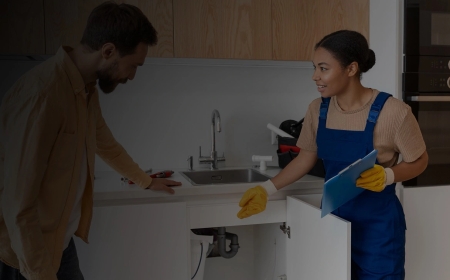
- Assessment: A licensed plumber will inspect your current system and discuss replacement options.
- Removal: The old water heater is safely disconnected and removed.
- Installation: The new unit is installed, connected to plumbing and power sources, and tested for functionality.
- Cleanup and Disposal: The area is cleaned up, and the old unit is hauled away for disposal.
AC Installation
- Load Calculation: A professional will perform a Manual J load calculation to determine the proper AC size for your home.
- Duct Inspection: If using a central air system, existing ductwork is inspected for leaks or damage.
- Installation: The new unit is installed, including indoor and outdoor components, refrigerant lines, and electrical connections.
- Testing and Calibration: The system is tested, thermostats are calibrated, and airflow is checked.
- Final Walkthrough: The technician will go over maintenance tips and answer any questions.
Both processes typically take 12 days, depending on the complexity of the installation.
Benefits of Upgrading Your Water Heater and AC System
- Energy Efficiency: New models are designed to use less energy, helping reduce your carbon footprint and energy bills.
- Reliability: Upgraded systems are less likely to fail during peak usage times.
- Improved Comfort: Consistent hot water and reliable cooling improve your quality of life.
- Increased Home Value: Upgraded HVAC and plumbing systems are attractive features for potential homebuyers.
- Warranty Protection: New systems come with manufacturer warranties for peace of mind.
Maintenance Tips to Maximize Your Investment
- Flush Your Water Heater Annually: This helps remove sediment buildup that can reduce efficiency.
- Inspect and Replace AC Filters Monthly: Clean filters keep your system running efficiently and improve air quality.
- Schedule Annual Tune-Ups: Have a professional inspect and maintain your HVAC system and water heater every year.
- Monitor Energy Usage: If you notice spikes in your utility bills, it could signal a problem with your system.
Conclusion
Water heater replacement and AC installation are two of the most impactful upgrades you can make to your home. Whether you're dealing with outdated equipment or simply looking to improve energy efficiency and comfort, investing in modern systems will pay off in both convenience and savings.
By understanding the signs of failure, knowing your options, and hiring experienced professionals, youll ensure a smooth installation process and years of reliable performance. Dont wait until your systems failplan your upgrades today and enjoy a more comfortable home tomorrow.