


















Truck Drivers SCAMMED? Shocking Lawsuit!
Truck drivers underpaid? Lawsuit exposes wage theft by Elmhurst company! 800 drivers fight back. What’s your take? Comment below! Curiosity-Based Question: Ever been cheated on pay? Tell us!

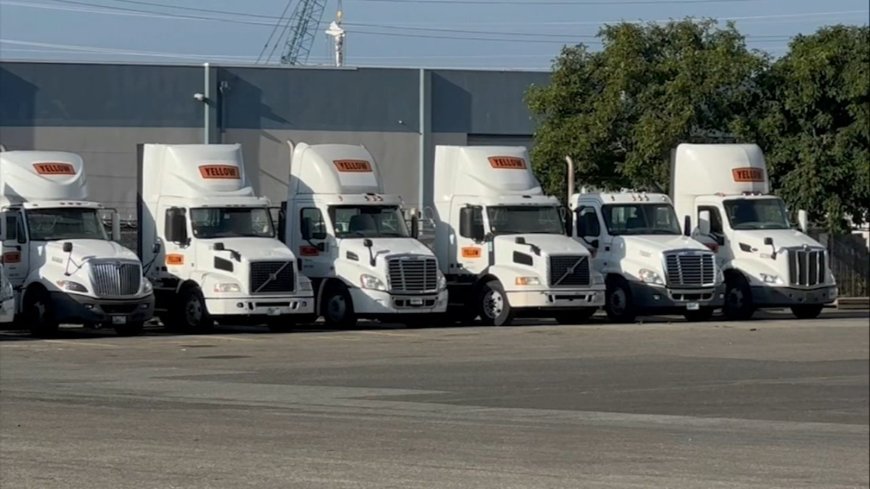
The lawsuit against an has brought renewed attention to a long-standing issue in the industry: the underpayment of drivers. At the center of the case are allegations that the company deliberately manipulated payment structures, leaving hundreds of drivers earning far less than they were owed.
According to the claims, the company falsified load pricesan action that directly affected how much drivers were paid for their work. In some cases, drivers reported receiving negative paychecks, meaning that after completing their routes, they actually owed money back to the company. For workers already facing demanding schedules and tight margins, this created serious financial strain.
What began as individual complaints soon grew into a large class action lawsuit involving around 800 drivers. The size of the case suggests that the issue may not have been isolated, but instead part of a broader pattern within the companys operations. By joining together, these drivers are now seeking compensation for lost wages and holding the company accountable.
At the heart of the lawsuit are accusations of wage theft. Plaintiffs argue that the company knowingly adjusted financial records and payment calculations to reduce driver earnings. Practices such as underreporting load values or applying excessive deductions may have contributed to the negative paychecks many drivers experienced. Beyond the financial damage, these actions have raised serious concerns about trust and fairness in employer-employee relationships.
The legal consequences for the company could be significant. If the allegations are proven, it may face penalties including back pay, fines, and mandated changes to its compensation practices. More broadly, the case highlights the vulnerability of truck drivers, who often work long hours with limited leverage to challenge unfair treatment.
Industry observers say the outcome of this lawsuit could have ripple effects across the trucking sector. It may encourage other drivers to come forward with similar claims and push regulators to take a closer look at payment transparency and labor protections. For many, the case serves as a reminder that fair compensation is not just a legal requirement, but a basic expectation of any workplace.
As the case moves forward, its impact may extend well beyond the drivers involved, shaping how companies approach pay practices and how the industry addresses worker rights in the years ahead.