



















Learning Under the Sky: The Benefits of Forest School for Young Children
Forest School and Outdoor Exploration

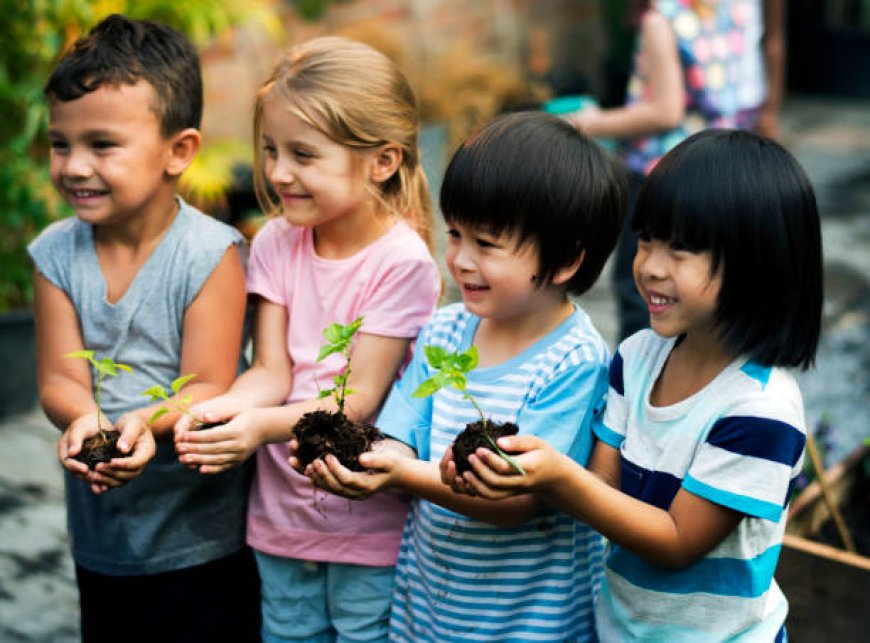
In a world where early education is often confined to indoor classrooms and structured schedules, the Forest School approach offers something refreshingly different: learning that is rootedquite literallyin nature.
With children donning boots and waterproofs, classrooms are replaced with woodlands, fields, and open skies. This approach is gaining increasing recognition for its profound impact on early childhood development.
Forest Schools aren't just a trendthey are a philosophy. They encourage curiosity, resilience, cooperation, and a deep connection to the natural world. Lets explore how this approach is helping shape confident, capable young learners in the most organic way possible.
What Is Forest School?
Originating in Scandinavia, Forest School is an educational model that immerses children in natural environments for regular, long-term outdoor sessions. Rather than a single lesson, Forest School is a child-led, play-based experience, allowing kids to explore nature through their own interests and developmental rhythms.
Children might build dens, climb trees, investigate insect life, or learn how to use tools safely. Theres an emphasis on holistic developmentsupporting emotional, physical, social, and cognitive growth simultaneously.
Boosting Confidence and Independence
One of the key benefits of Forest School is its ability to nurture self-esteem and independence. Unlike traditional settings that often follow structured routines and adult-led instruction, Forest School trusts children to lead their own learning. They make choices, assess risk, and solve problems with the guidancenot controlof adults.
This autonomy helps children build confidence. Tasks like lighting a campfire, managing a muddy hill, or helping a friend across a stream require real-life skills that matter. These small victories have a lasting impact on a childs self-belief.
In fact, many nursery schools in Brent have embraced Forest School principles to enrich their curriculum and offer a more balanced, child-centric experience that complements academic readiness with life skills.
Supporting Emotional and Mental Wellbeing
The calming influence of nature is well-documented. Forest School creates a space where children can decompress, reflect, and feel free from the pressures often associated with indoor learning. Being outdoors fosters mindfulnesseven in toddlers.
For children who experience anxiety or sensory processing challenges, the open and unstructured nature of Forest School can offer therapeutic benefits. They are free to engage at their own pace, use their whole body in movement, and engage all five senses, which supports emotional regulation.
The bonds formed through teamwork in Forest School also build strong social-emotional skills. Children learn to cooperate, communicate, and empathise through shared challenges and discoveries.
Physical Development Through Natural Play
Forget plastic climbing framesnature offers the most dynamic playground of all. Forest School activities naturally enhance gross and fine motor skills. Whether its balancing on logs, digging in the mud, or lashing sticks together, children strengthen muscles, coordination, and agility.
Outdoor play is particularly effective in combating sedentary lifestyles that can emerge early in childhood. Regular exposure to movement-rich, outdoor environments supports lifelong physical health and a positive relationship with activity.
Laying the Groundwork for Academic Learning
While Forest School may look like just play, its full of rich learning opportunities that align with academic goals. Nature becomes the setting for literacy (storytelling around a fire), numeracy (counting conkers or measuring stick lengths), and science (exploring plant life cycles or observing weather changes).
Forest School encourages the type of inquiry-based thinking and problem-solving that forms the backbone of future academic success. As children grow and transition to settings like Wembley primary schools, they carry with them the ability to think critically, collaborate, and approach challenges creatively.
The Role of Skilled Practitioners
Forest School sessions are carefully facilitated by trained leaders who understand both early years development and outdoor education. These practitioners observe closely, assess risk dynamically, and provide subtle support that helps children stretch their comfort zones while staying safe.
Their role is to balance freedom with safety, autonomy with guidancefostering a learning environment that is both adventurous and nurturing.
Conclusion: A Natural Path to Lifelong Learning
Forest School isnt about escaping the classroom; its about expanding it. By learning under the sky, children gain experiences that shape their development far beyond what traditional walls can contain. They grow emotionally, physically, socially, and intellectuallyprepared not only for school, but for life.
In an age of screens and structure, Forest School offers the gift of space, time, and nature. And for many families, its proving to be the most enriching investment in early childhood development.