



















From Kitchen to Keyboard: How to Get Featured as a Food Writer
Turn your passion for food recipes into published work. Learn how to pitch, write, and get featured on platforms that say "write for us + food" and grow your culinary writing career.

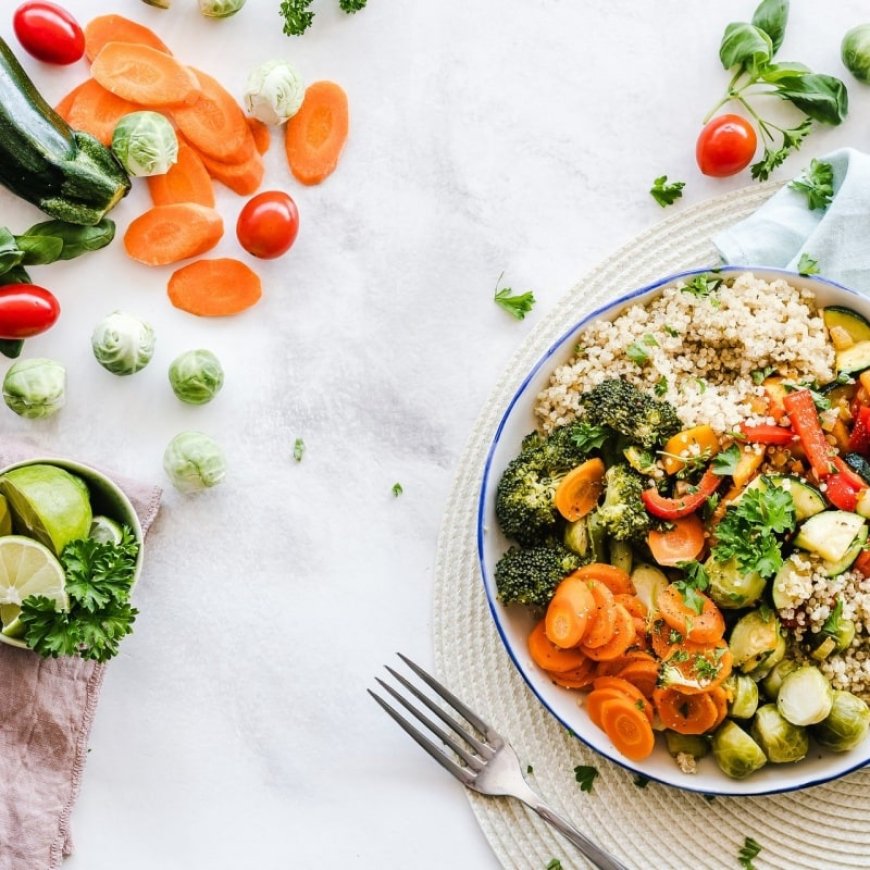
Turning your passion for cooking into compelling written content can open doors to exciting opportunities. Whether you're sharing personal stories or unique food recipes, becoming a featured food writer means connecting with readers on a deeper level. The journey from your kitchen to the page is all about finding your voice, showcasing your skills, and consistently offering value through your content.
Define Your Culinary Niche
-
Decide what sets your cooking style apart. Are you focused on plant-based meals, traditional family dishes, global flavors, or budget-friendly cooking?
-
Identifying your niche helps editors and readers understand what you bring to the table.
-
A clear focus builds authority and makes your writing more impactful.
Build a Writing Portfolio
-
Start a blog, contribute to small publications, or share well-written captions on social media.
-
Use your platform to show a range of writing stylesfrom personal essays to instructional recipes.
-
Make sure to include attractive photos and engaging introductions to every piece.
Pitch to the Right Platforms
-
Many websites and publications actively accept submissionssearch for opportunities using the phrasewrite for us + food.
-
Read each sites submission guidelines carefully and tailor your pitch accordingly.
-
Focus on originality and relevance when proposing article ideas.
Tell a Unique Story with Each Recipe
-
Recipes are everywherebut your story is what makes it memorable.
-
Share the inspiration behind your dishes, the challenges in perfecting them, or the cultural roots they stem from.
-
Emotion-driven storytelling adds value beyond the ingredients list.
Network Within the Food Writing Community
-
Join food writing groups, attend workshops, and engage with editors or fellow writers on social media.
-
Building relationships can lead to collaboration, mentorship, and writing opportunities.
-
Dont hesitate to reach out for advice or share your work in relevant spaces.
Polish Your Writing Style
-
Great food writing blends clarity with creativity. Avoid overly technical language, and focus on describing flavors, textures, and emotions.
-
Edit your work for flow, grammar, and consistency before submitting.
-
Reading food writing from established authors can help you refine your own tone.
Stay Consistent and Keep Submitting
-
Rejections are part of the processwhat matters is persistence.
-
Continue to develop your voice, pitch regularly, and build your portfolio over time.
-
Each piece you publish builds your credibility and brings you one step closer to being a recognized food writer.