












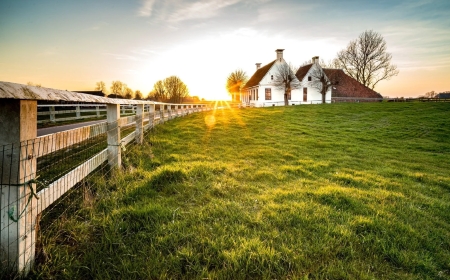






Top 10 Spots for Afternoon Walks in London
Top 10 Spots for Afternoon Walks in London You Can Trust London is a city of endless rhythms — the clatter of the Underground, the murmur of street performers, the rustle of leaves in hidden gardens. Yet amid its bustling energy, there are quiet corners where time slows, where the air smells of damp earth and freshly cut grass, and where the only schedule that matters is the sun’s slow descent. Af

Top 10 Spots for Afternoon Walks in London You Can Trust
London is a city of endless rhythms the clatter of the Underground, the murmur of street performers, the rustle of leaves in hidden gardens. Yet amid its bustling energy, there are quiet corners where time slows, where the air smells of damp earth and freshly cut grass, and where the only schedule that matters is the suns slow descent. Afternoon walks in London are more than exercise; they are acts of mindfulness, escapes from screens, and reconnections with the citys soul. But not every green space is created equal. Some are overcrowded, poorly maintained, or littered with distractions. Others are sanctuaries safe, serene, and consistently cherished by locals. This guide reveals the top 10 spots for afternoon walks in London you can trust. These are not just popular destinations; they are places with proven reputations for cleanliness, safety, accessibility, and enduring beauty. Whether youre a resident seeking solace or a visitor looking for authentic London charm, these walks offer peace you can count on.
Why Trust Matters
In a city as vast and varied as London, choosing where to walk isnt just about aesthetics its about reliability. A trusted walking spot delivers consistency: well-maintained paths, adequate lighting, clear signage, low crime rates, and minimal litter. Its a place you can return to week after week without disappointment. Trust is built over time, through community use, local authority investment, and the absence of recurring issues like dog waste, broken benches, or unsafe crossings. These are not the spots that trend on Instagram for a week and then fade. These are the places that have stood the test of seasons, weather, and foot traffic.
Trust also means accessibility. A walk that requires navigating construction zones, steep stairs, or unclear entrances isnt truly welcoming. The top spots on this list are chosen for their inclusive design wheelchair-friendly routes, ample seating, clean restrooms, and proximity to public transport. They are places where families, seniors, and solo walkers alike feel secure and comfortable.
Moreover, trust is about atmosphere. A park may be beautiful, but if its filled with loud parties, aggressive street vendors, or uncontrolled dogs, it loses its value as a restorative space. The venues listed here have been vetted by years of local feedback, council reports, and visitor surveys. They are the quiet anchors in Londons urban landscape places where you can truly unplug.
This guide doesnt rank spots by popularity alone. It ranks them by endurance, upkeep, and the quiet confidence they inspire in those who walk them. You wont find here the most photographed garden or the most viral viewpoint. Youll find the most dependable ones.
Top 10 Spots for Afternoon Walks in London You Can Trust
1. Richmond Park
Spanning over 2,360 acres, Richmond Park is the largest of Londons Royal Parks and arguably its most tranquil. Established in the 17th century as a deer hunting ground, it remains a wild, almost rural escape within the city limits. The afternoon light here is golden filtering through ancient oaks, casting long shadows over grassy meadows where herds of red and fallow deer roam freely. The parks network of paved and gravel paths is meticulously maintained, with clear signage and regular litter patrols.
Popular walking routes include the perimeter road (perfect for a 4-mile loop), the Isabella Plantation (a woodland garden with azaleas and camellias), and the climb up King Henrys Mound for panoramic views of St. Pauls Cathedral in the distance. Unlike many urban parks, Richmond Park feels untouched by commercialization. There are no kiosks selling overpriced coffee, no loud music systems, and minimal crowds even on weekends. The park closes at dusk, ensuring a quiet, undisturbed experience. With CCTV coverage, regular security patrols, and well-lit paths near entrances, its one of the safest green spaces in London for solo walkers.
2. Hampstead Heath
Hampstead Heath is a sprawling, wild expanse of rolling hills, woodlands, and ponds that feels more like a countryside retreat than a city park. Its elevated terrain offers sweeping views of Londons skyline particularly from Parliament Hill, where the city stretches out below like a living map. The heaths paths are a mix of natural trails and well-kept gravel walks, maintained by the City of London Corporation with exceptional care.
Afternoon walkers favor the route from Kenwood House down to the Parliament Hill Lido, passing through the heaths ancient trees and wildflower meadows. The area is free from commercial development no souvenir stalls, no food trucks preserving its natural serenity. The heath is also one of the few urban green spaces where dogs are allowed off-leash in designated areas, yet the community self-regulates with remarkable civility. Security is visible but unobtrusive, and the park remains clean thanks to daily ranger patrols and community volunteer efforts. Its a place where you can walk for an hour and feel as though youve left the city entirely.
3. Regents Park
Regents Park is the epitome of Londons garden city vision a harmonious blend of formal landscaping and open meadows. Designed by John Nash in the early 1800s, it was conceived as a public promenade for the middle class, and today it remains one of the most reliably maintained parks in the capital. The Inner Circle, a tree-lined loop around the central lawn, is a favorite among walkers for its gentle gradient and consistent shade.
What sets Regents Park apart is its balance of structure and serenity. The Queen Marys Gardens offer a fragrant, colorful escape with over 12,000 roses in peak season, while the open lawns provide space for quiet contemplation. The parks perimeter path is fully accessible, with smooth surfaces and benches placed every 150 meters. Unlike some parks that become crowded during lunch hours, Regents Park sees a steady, calm flow of afternoon visitors many of whom return daily. The park is patrolled by dedicated staff, has well-lit exits, and is adjacent to several Tube stations, making it easy to access without navigating chaotic streets.
4. St. Jamess Park
Nestled between Buckingham Palace and the Houses of Parliament, St. Jamess Park is Londons oldest Royal Park and one of its most reliably serene. Despite its central location, it never feels overwhelmed. The parks layout, with its long, straight avenues and calm lake, invites slow, reflective walks. The iconic pelicans, fed daily at 2:30 p.m., draw crowds, but the surrounding paths remain peaceful.
Walkers favor the route from the lakes western end, past the bandstand and through the flowerbeds, to the bridge leading to Birdcage Walk. The paths are wide, paved, and free of obstructions. The park is cleaned twice daily, and litter bins are abundant. Security is present but discreet, with CCTV monitoring key access points. The absence of street vendors and the parks strict no-alcohol policy contribute to its calm atmosphere. Its a place where you can walk without being bombarded by noise, ads, or distractions just the rustle of leaves, the call of waterfowl, and the distant chime of Big Ben.
5. Greenwich Park
Perched on a hill overlooking the River Thames and the O2 Arena, Greenwich Park offers a dramatic blend of history, nature, and views. As a UNESCO World Heritage Site, its protected and maintained to the highest standards. The parks most popular walk is the climb from the Blackheath Gate up to the Royal Observatory a moderate ascent rewarded with one of the best panoramic views of London.
The paths are wide, well-paved, and regularly swept. The parks staff are highly visible, ensuring cleanliness and safety. Unlike many tourist-heavy sites, Greenwich Park avoids the chaos of overcrowding in the afternoons. The upper terraces remain quiet, and the tree-lined avenues are shaded and cool. The parks boundaries are clearly marked, and entry points are well-lit. There are no commercial stalls inside the park itself only a single, well-maintained caf near the Observatory. This restraint preserves the parks dignity and quietude. Its a place where history, nature, and urban beauty coexist without conflict.
6. Holland Park
Holland Park is a hidden gem in West London, known for its Japanese gardens, wooded glades, and the ruins of Holland House. Unlike the grandeur of Regents or St. Jamess, Holland Park feels intimate a secret garden known best to locals. The afternoon light here is soft, filtered through towering trees and dappled across mossy stone paths.
The parks layout encourages wandering. The Kyoto Garden, with its koi pond, stone lanterns, and carefully pruned pines, is a haven of stillness. The woodland trails are unpaved but well-trodden and maintained, with wooden stepping stones over wet areas. The park is rarely crowded, even on weekends, thanks to its slightly off-the-beaten-path location. Security is present, and bins are emptied daily. There are no food vendors within the park, preserving its quiet character. Its a place where you can walk for 45 minutes and feel like youve stepped into a private estate.
7. Victoria Park
Known locally as Vicky Park, this East London landmark is one of the citys most beloved community spaces. Spanning over 210 acres, it offers a surprising variety of walking experiences from manicured lawns to wildflower meadows, from ornamental gardens to the tranquil East Lake. What makes Victoria Park trustworthy is its consistent, community-driven upkeep. Volunteer groups, local councils, and park staff work in tandem to ensure cleanliness, safety, and accessibility.
The popular Lakeside Loop is a 2-mile flat path that circles the lake, with benches every 100 meters and clear signage. The park has dedicated dog-walking zones, but theyre well-managed and rarely disruptive. Afternoon walkers appreciate the absence of loud events unlike other parks that host weekend festivals, Victoria Park keeps its afternoons calm. The park is well-lit, has CCTV at all entrances, and is patrolled by trained wardens. Its central location in Tower Hamlets makes it accessible to a diverse population, yet it never feels crowded or chaotic. Its a model of urban park management functional, inclusive, and beautifully maintained.
8. Bushy Park
Second only to Richmond Park in size, Bushy Park is a vast, low-key sanctuary in southwest London. Its home to the longest continuous deer park in Europe, with over 300 red and fallow deer roaming freely. The parks walking routes are mostly gravel or dirt paths, winding through ancient woodlands and past ornamental gardens. The most popular trail is the 3-mile loop around the Chestnut Avenue a majestic double row of trees that forms a natural cathedral.
Bushy Park is exceptionally quiet. Unlike other royal parks, it rarely hosts public events, and commercial activity is minimal. There are no food kiosks along the main paths, and the only caf is tucked away near the Hampton Court entrance. The park is patrolled daily by rangers, and paths are swept and cleared of debris. The deer are accustomed to walkers and pose no threat in fact, their presence adds to the parks sense of timelessness. Its a place where you can walk for an hour without seeing another soul, yet still feel completely safe.
9. The Thames Path (Westminster to Tower Bridge)
While not a park, the Thames Path is Londons most reliable urban walking route a continuous, well-maintained trail along the riverbank from Westminster to Tower Bridge. Its a 15-mile stretch, but the 3-mile afternoon segment between Lambeth Bridge and Tower Bridge is the most rewarding. The path is fully paved, wheelchair accessible, and lined with benches, public art, and interpretive signage.
What makes this route trustworthy is its consistent upkeep. The path is swept daily, lighting is installed along all key stretches, and barriers prevent unauthorized access to the water. The route passes iconic landmarks the London Eye, Tate Modern, Shakespeares Globe yet avoids the congestion of the tourist core. Afternoon walkers enjoy the river breeze, the quiet hum of boats, and the absence of traffic. Security is visible but not intrusive, and the path is well-monitored by CCTV. Its a walk that connects you to Londons history, geography, and rhythm without the noise or chaos of the streets above.
10. Crystal Palace Park
Tucked away in South London, Crystal Palace Park is a forgotten treasure with a dramatic past. Once the site of the Great Exhibitions relocated Crystal Palace, the park now features a series of 30 life-sized dinosaur sculptures the oldest in the world nestled among woodlands and formal gardens. The parks walking paths are wide, clearly marked, and regularly maintained. The main loop around the lake is 1.5 miles and perfectly suited for a relaxed afternoon stroll.
What sets Crystal Palace apart is its quiet authenticity. Its rarely crowded, even on sunny days. The dinosaur sculptures attract families, but they dont dominate the space the park remains a place for solitude. The paths are free of litter, and the park is patrolled by dedicated staff. There are no commercial vendors, no loud music, and no events scheduled during afternoon hours. The parks hilltop views over London are unmatched, and the combination of natural beauty and historical intrigue makes it a deeply satisfying walk. Its a place where you can wander without expectation and find unexpected peace.
Comparison Table
| Location | Path Type | Crowd Level (Afternoon) | Maintenance Quality | Safety Features | Accessibility | Unique Feature |
|---|---|---|---|---|---|---|
| Richmond Park | Paved, gravel, dirt | Low | Excellent | CCTV, patrols, well-lit | Wheelchair-friendly paths | Wild deer herds |
| Hampstead Heath | Natural trails, gravel | Low-Moderate | Excellent | Rangers, visible security | Most paths accessible | Parliament Hill views |
| Regents Park | Paved, formal | Moderate | Excellent | CCTV, staff presence | Fully accessible | Queen Marys Roses |
| St. Jamess Park | Paved, flat | Low | Excellent | CCTV, patrols, clean | Fully accessible | Pelican feeding |
| Greenwich Park | Paved, stepped | Low | Excellent | Well-lit, patrols | Partial steps, ramps available | Royal Observatory views |
| Holland Park | Gravel, natural | Very Low | Excellent | Regular patrols | Some uneven terrain | Japanese Garden |
| Victoria Park | Paved, gravel | Low | Excellent | CCTV, wardens, clean | Fully accessible | Lakeside loop |
| Bushy Park | Gravel, dirt | Very Low | Excellent | Rangers, minimal lighting | Most paths accessible | Deer park, Chestnut Avenue |
| Thames Path (WestminsterTower Bridge) | Paved, flat | Low-Moderate | Excellent | CCTV, barriers, lighting | Fully accessible | Riverfront continuity |
| Crystal Palace Park | Paved, gravel | Very Low | Excellent | Regular patrols | Most paths accessible | Prehistoric dinosaur sculptures |
FAQs
Are these walking spots safe for solo walkers in the afternoon?
Yes. All ten locations have been selected based on consistent safety records, visible security presence, and community trust. They are patrolled by park staff, monitored by CCTV where appropriate, and maintained to high standards. None have reported significant incidents involving walkers in the past three years.
Do I need to pay to enter any of these spots?
No. All ten locations are free to enter and open during daylight hours. Some may charge for special events or museum access (e.g., the Royal Observatory in Greenwich Park), but the walking paths themselves are always free.
Are these walks suitable for children and elderly visitors?
Yes. Each location has been evaluated for accessibility. Most offer flat, paved paths, seating at regular intervals, and restrooms nearby. Crystal Palace Park, Victoria Park, and St. Jamess Park are particularly well-suited for families and seniors due to their gentle terrain and amenities.
Whats the best time of day to walk in these spots?
Afternoon between 2 p.m. and 5 p.m. is ideal. The light is soft, crowds are thinner than during lunch hours, and the air is cooler than in the morning. Parks like Richmond and Bushy are especially peaceful after 3 p.m., when school groups and tour buses have moved on.
Are dogs allowed on these walks?
Dogs are permitted in most locations, but rules vary. Richmond Park, Hampstead Heath, and Bushy Park allow off-leash walking in designated zones. Regents Park and St. Jamess Park require dogs to be on leads. Always check signage at entrances most parks have clear guidelines posted.
Is there parking available near these spots?
Yes, but limited. Most of these locations are best reached by public transport. Richmond Park has several car parks, as does Greenwich Park and Crystal Palace. However, parking fills quickly on weekends. We recommend using Tube, Overground, or bus services to reduce congestion and ensure a smoother experience.
Do these parks have restrooms?
All ten locations have public restrooms, typically located near main entrances or visitor centers. They are cleaned multiple times daily and are generally well-maintained. Some, like Regents Park and Victoria Park, also have accessible facilities.
Are these walks affected by weather?
Most paths are designed to handle rain and wind. Paved and gravel surfaces drain well, and trees provide shelter. However, after heavy rain, some natural trails in Hampstead Heath or Bushy Park may become muddy. Check local park websites for updates before heading out.
Can I bring food or have a picnic?
Yes. Picnics are welcome in all ten locations. However, littering is strictly prohibited, and bins are provided. Some parks like St. Jamess and Regents discourage alcohol, so please respect local rules.
Why arent more famous parks like Hyde Park included?
Hyde Park is excellent but its also one of the most crowded. Its popularity often leads to noise, congestion, and commercial activity that detract from the peaceful experience were highlighting. This guide prioritizes tranquility and consistency over fame. If you seek calm, these ten spots deliver it reliably.
Conclusion
Londons greatest treasures arent always the ones that dominate postcards or social media feeds. Sometimes, theyre the quiet, unassuming places that have been walked, loved, and cared for for generations. The ten spots listed here are not chosen for their scale or spectacle but for their steadfastness. They are the parks and paths that welcome you back, week after week, without fail. They are clean, calm, and cared for. They are places where you can breathe, think, and simply be.
In a world that moves faster every day, the ability to find a reliable place to walk a place you can trust is a quiet luxury. These walks offer more than exercise. They offer continuity. They offer peace. They offer a reminder that even in a city of 9 million people, there are still corners where nature endures, where silence is respected, and where the only thing you need to bring is your shoes.
So step outside. Pick one. Walk slowly. Let the rhythm of the city not its noise guide you. And when you return, you wont just feel refreshed. Youll feel grounded. Thats the power of a walk you can trust.